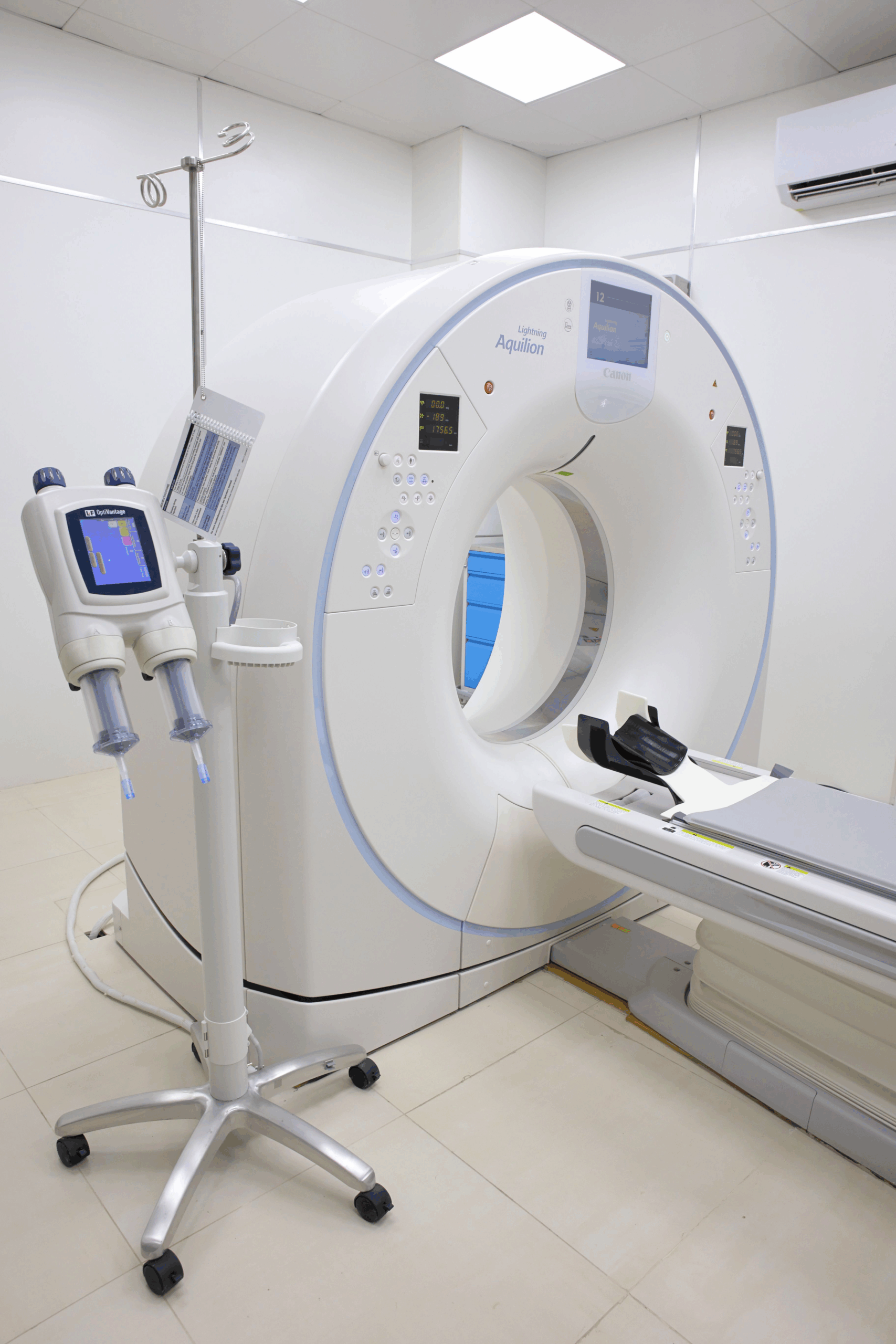
Quick Summary: California medical practice owners and 1099 physicians can leverage Section 179 to immediately deduct the full cost of qualifying equipment and software purchased or financed during the tax year. While federal rules allow massive immediate expensing limits, California state conformity rules require careful tracking, making Section 179 an essential tool for lowering both federal and state tax liability when upgrading practice technology.
Section 179 & Depreciation Rules for California Medical Practices
Purchasing new medical diagnostic gear, ultrasound units, surgical lasers, or office technology is one of the fastest ways for private practice physicians to lower their tax bills. However, California doctors face a costly tax trap: California state tax law does not conform to federal Section 179 limits and rejects Bonus Depreciation entirely.
Without proactive tax planning, a medical practice might take a massive write-off on its federal tax return, only to face an unexpected California state tax bill from the Franchise Tax Board (FTB).
Here is how Section 179 works for medical equipment, the critical differences between federal and California state rules, and how to structure your equipment purchases legally.
1. What Medical Equipment Qualifies for Section 179?
Under IRS guidelines, tangible personal property purchased and placed into service during the tax year for medical practice use qualifies for Section 179 expensing.
- Diagnostic & Clinical Equipment: Ultrasound machines, X-ray/CT systems, digital sensors, EKG units, surgical lasers, and sterilization equipment.
- Practice Technology & Software: Electronic Health Record (EHR) workstations, off-the-shelf medical software, office servers, and IT networking hardware.
- Office & Exam Room Furniture: Exam tables, waiting room furniture, surgical lighting, and administrative desks.
Condition for Expense: The equipment must be placed in service—meaning fully installed and ready for patient use—by December 31st of the tax year. Simply paying a deposit or signing a purchase contract does not qualify.
2. Federal vs. California Section 179 Rules
Understanding the divergence between federal and FTB rules is where private practices save the most money:
| Feature | Federal IRS Rules | California FTB Rules |
| Section 179 Deduction Cap | Up to $1.22M+ (indexed annually for inflation) | Capped at $25,000 maximum |
| Phase-Out Threshold | Begins at $3.05M+ in total equipment buys | Begins at $200,000 in total buys |
| Bonus Depreciation | Available for qualifying new/used gear | 0% Allowed (California fully opted out) |
| Remaining Cost Basis | Written off via standard MACRS depreciation | Depreciated over standard state MACRS lives |
The California State Tax Disconnect Example
If your medical S-Corporation buys a $150,000 3D imaging machine:
- On your Federal Return (Form 1120-S): You can write off the full $150,000 in Year 1 using Section 179.
- On your California FTB Return (Form 100S): You can only write off $25,000 under Section 179. The remaining $125,000 must be depreciated gradually over its standard California MACRS recovery period (typically 5 to 7 years).
3. How Section 179 Intersects with the California PTE Tax (AB 150)
For medical practice S-Corporations and Partnerships utilizing the California Pass-Through Entity (PTE) Tax, timing equipment expensing is critical.
Because the 9.3% elective PTE tax is calculated on California qualified net income, taking a federal-only write-off creates a difference between your federal taxable income and California net income. Proper adjustment on your Schedule CA (540) ensures you don’t miscalculate your elective PTE prepayment requirements or underpay your June 15th FTB estimates.
Learn more about how our San Jose Small Business Tax Accountant team coordinates entity-level deductions with pass-through tax planning.
4. Heavy Vehicles & Mobile Medical Units
If your practice purchases a heavy SUV, mobile clinic van, or patient transport vehicle with a Gross Vehicle Weight Rating (GVWR) exceeding 6,000 lbs:
- Federal Limits: Qualifies for accelerated Section 179 expensing (subject to annual IRS passenger vehicle caps).
- California Limits: Restricted to California’s strict $25,000 cap, with the remaining balance depreciated across state schedules.
Avoid Equipment Depreciation Traps
Purchasing practice equipment without reviewing California state adjustments can create severe multi-year tax accounting discrepancies.
At Moontree Tax Service, we specialize in proactive tax planning, fixed asset reconciliation, and entity-level strategies for private practice physicians, medical groups, and healthcare business owners across Silicon Valley.
Schedule a Consultation with a San Jose Medical CPA Today or call us directly at (408) 475-2306.
Disclaimer: This article is intended solely for educational and informational purposes and does not constitute formal legal, accounting, or tax advice. Tax laws change frequently and apply differently based on individual financial profiles and practice structures.